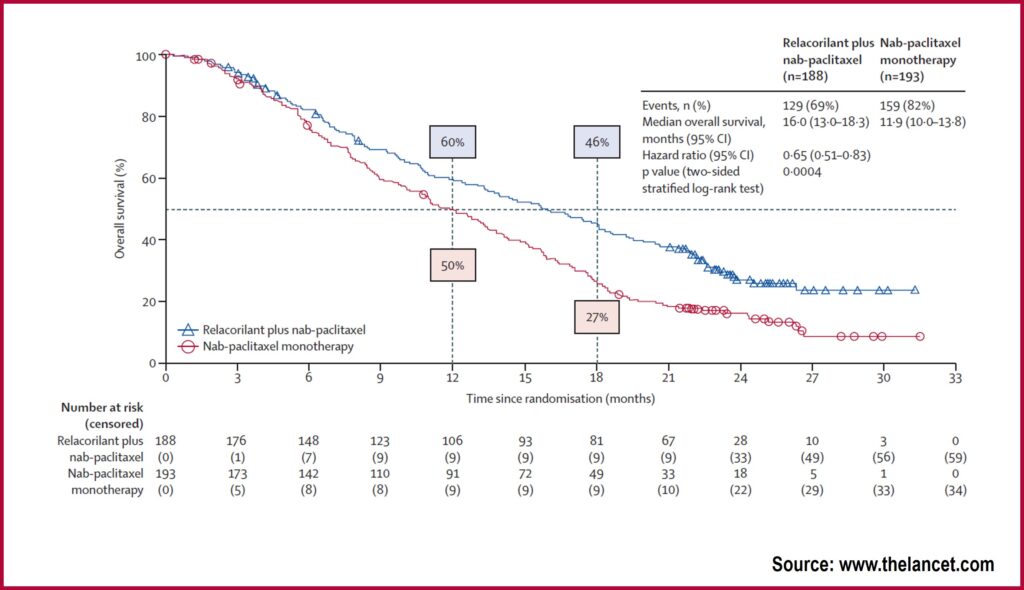
Paclitaxel and ramucirumab in advanced gastric or gastro-esophageal junction cancer
23/12/2024
Neoadjuvant nivolumab plus ipilimumab in resectable lung cancer
20/01/2025
A first in human dose-escalation trial shows acceptable safety and a promising antitumor activity for fianlimab in monotherapy or in combination with cemiplimab
A new study recently published on Clinical Cancer Research shows an acceptable safety and preliminar antitumor activity for fianlimab, an antilymphocyte activation gene-3 antibody (anti-LAG-3), in monotherapy or in combination with the anti-PD-1 cemiplimab in patients with advanced malignancies.
A combination of anti-LAG-3 plus anti-PD-1 (relatlimab plus nivolumab) recently demonstrated superior efficacy to anti-PD-1 monotherapy in a phase 3 study of patients with advanced melanoma, leading to the first regulatory approval of an anti-LAG-3 to treat human malignancies. Preclinical data suggest that the anti-LAG-3 fianlimab combined with the anti-PD-1 cemiplimab enhances cemiplimab antitumor activity: authors of this phase 1 study thus enrolled 78 patients with advanced tumors to receive 1 to 40 mg/kg of fianlimab plus 350 mg of cemiplimab every 3 weeks, across various dose-escalation schedules. One patient treated with 3 mg/kg fianlimab + cemiplimab experienced dose-limiting toxicities; no maximum tolerated dose was reached. Fianlimab pharmacokinetics were dose proportional and similar in monotherapy and combination therapy. Across patients who received fianlimab + cemiplimab, five achieved a partial response, three of whom experienced a response after transitioning from monotherapy to combination therapy. Fianlimab 1,600 mg every 3 weeks is the selected dose for phase 2 and phase 3 studies. As authors conclude, «The results of this first-in-human dose-escalation study demonstrated an acceptable safety profile of fianlimab both as monotherapy and in combination with cemiplimab in patients with advanced malignancies. Fianlimab was tolerated by patients, and preliminary clinical activity results support findings from previous preclinical and clinical studies to provide evidence of a potential alternative anti-LAG-3 and anti-PD-1 combination therapy».